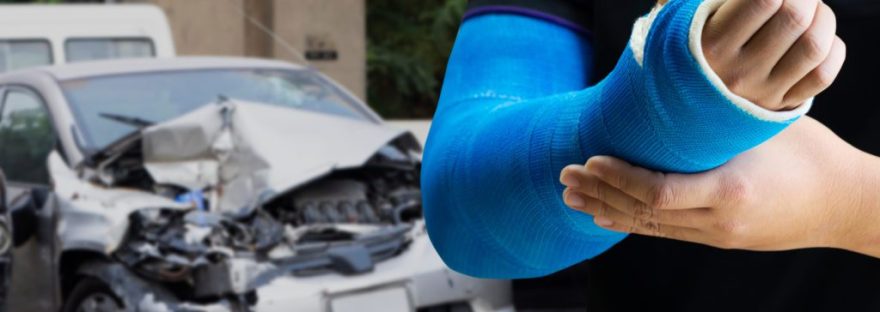
Enhancing post-accident injury care through personalized injury care strategies after a collision is crucial for effective treatment. Tailored approaches not only expedite recovery but also reduce long-term complications. Immediate evaluation, customized treatment plans, and rehabilitation techniques play pivotal roles in influencing a patient’s healing journey. The essence of personalized strategies lies in their adaptability, evolving with the patient’s progress for optimal outcomes.
Key Takeaways
- Tailoring treatment plans to individual injuries speeds up recovery.
- Immediate assessment post-collision prevents complications and guides care decisions.
- Integrating rehabilitation techniques like physical therapy aids in personalized recovery.
- Long-term recovery strategies focus on sustained well-being and rebuilding strength.
- Customized care addresses specific needs for effective healing post-collision.
Understanding Personalized Injury Care
When it comes to recovering from a collision, understanding personalized injury care is essential for promoting effective healing and recovery. Tailoring treatment plans to individual needs and circumstances can greatly enhance outcomes. By addressing specific injuries with focused therapies, such as physical therapy or chiropractic care, patients can experience faster and more thorough recovery. This personalized approach guarantees that each individual receives the care they need for best healing.
Importance of Immediate Assessment
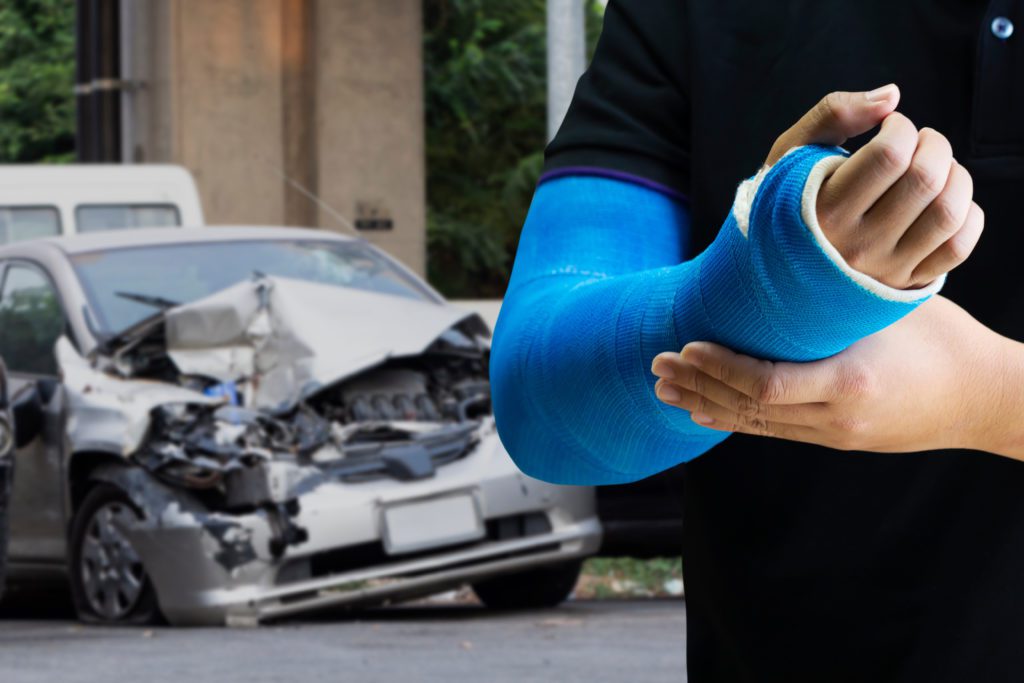
Prompt assessment following a collision is paramount in ensuring timely and appropriate care for injuries sustained. It helps in identifying concealed injuries and preventing complications. Immediate assessment aids in determining the seriousness of injuries and guiding treatment decisions. Besides, it allows for early intervention to alleviate pain and discomfort. In addition, prompt assessment facilitates the initiation of personalized treatment plans tailored to individual needs.
Tailoring Treatment Plans
Following a thorough assessment post-collision, tailoring treatment plans becomes crucial for addressing injuries effectively and promoting best recovery outcomes. Each individual’s injuries require a personalized approach, considering the type and severity of the impact. By customizing treatment plans to suit specific needs, healthcare providers can guarantee that patients receive the most appropriate care, leading to a smoother recovery journey and improved overall well-being.
Integrating Rehabilitation Techniques
Integrating rehabilitation techniques into personalized injury care plans is essential for facilitating best recovery and restoring functionality after a collision.
- Utilize a combination of physical therapy and occupational therapy
- Implement progressive exercises tailored to individual needs
- Incorporate pain management strategies such as acupuncture or massage therapy
- Provide education on injury prevention and proper body mechanics
- Offer psychological support to address any emotional distress
Long-Term Recovery Strategies
After implementing rehabilitation techniques to address immediate post-collision care, the focus shifts towards developing thorough long-term recovery strategies tailored to individual needs and sustained well-being. Long-term recovery may involve ongoing physical therapy, psychological support, pain management, and lifestyle adjustments. These strategies aim to promote healing, rebuild strength, address any lingering issues, and facilitate a successful shift back to pre-collision activities, ensuring a holistic approach to recovery.
Conclusion
Finally, personalized strategies for injury care after a collision are essential for ensuring individualized treatment plans and effective rehabilitation. Immediate assessment and tailored care can address specific injuries and promote faster recovery. By integrating rehabilitation techniques like physical therapy and chiropractic care, long-term recovery goals can be achieved. This approach prioritizes the well-being of the individual and facilitates a smoother healing process.
 Total Body Chiropractic